
Stainless Steel Prototyping: A Comprehensive Overview
Stainless steel prototyping is a fascinating topic that combines innovation with practicality. In today's fast-paced world, businesses need to create prototypes quickly and efficiently. Stainless steel, known for its durability and resistance to corrosion, is an excellent material for prototyping. This blog post will explore the ins and outs of stainless steel prototyping, including its benefits, methods, and applications.
Stainless steel is a versatile material that has become a favorite in various industries. From automotive to medical devices, its strength and aesthetic appeal make it a go-to choice for many designers and engineers. Understanding how to prototype with stainless steel can give businesses a competitive edge.
What is Stainless Steel Prototyping?
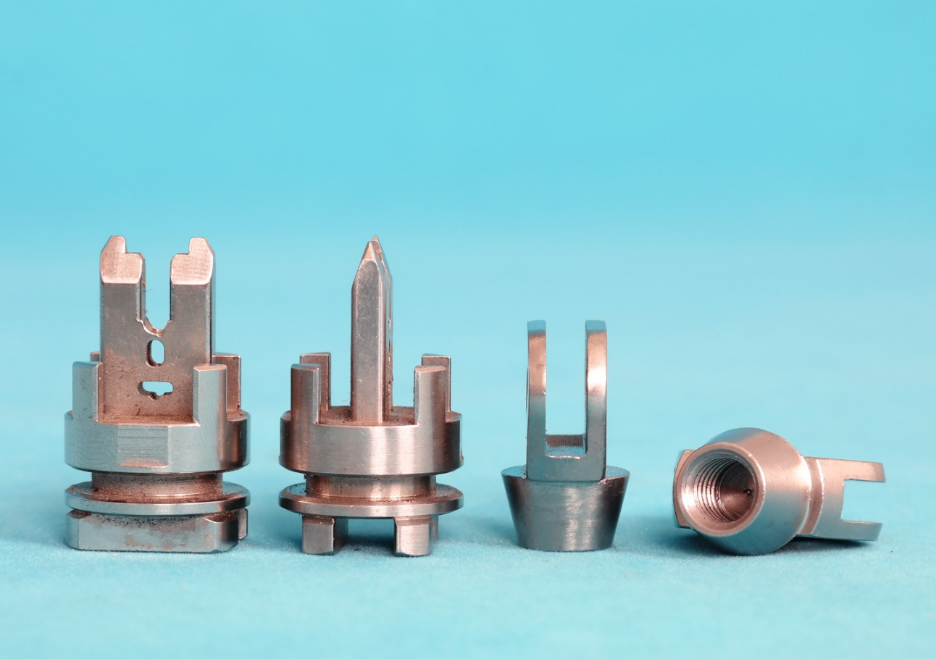
Stainless steel prototyping involves creating a model or sample of a product using stainless steel. This process allows designers and engineers to test their ideas before moving into full-scale production. Prototyping is crucial because it helps identify potential issues early on, saving time and resources.
There are several methods for stainless steel prototyping, including additive manufacturing, CNC machining, and sheet metal fabrication. Each method has its advantages and is suitable for different applications.
Benefits of Stainless Steel Prototyping
Stainless steel prototyping offers numerous benefits that make it an attractive option for businesses. Here are some key advantages:
Durability: Stainless steel is known for its strength and resistance to wear and tear. Prototypes made from this material can withstand rigorous testing.
Corrosion Resistance: Stainless steel does not rust easily, making it ideal for products that will be exposed to moisture or harsh environments.
Aesthetic Appeal: The shiny finish of stainless steel gives prototypes a professional look, which can be important for presentations and client meetings.
Precision: Modern manufacturing techniques allow for high precision in stainless steel prototyping, ensuring that the final product meets exact specifications.
Versatility: Stainless steel can be used in various applications, from kitchenware to industrial machinery, making it a flexible choice for prototyping.
Methods of Stainless Steel Prototyping
There are several methods for creating stainless steel prototypes. Each method has its unique advantages and is suited for different types of projects. Here are some of the most common methods:
1. Additive Manufacturing
Additive manufacturing, also known as 3D printing, is a popular method for creating stainless steel prototypes. This technique involves building a prototype layer by layer, allowing for complex geometries and designs.
Advantages:
Rapid prototyping: Additive manufacturing can produce prototypes quickly, allowing for faster iterations.
Design flexibility: This method enables the creation of intricate designs that may be difficult to achieve with traditional methods.
2. CNC Machining
CNC (Computer Numerical Control) machining is another widely used method for stainless steel prototyping. This process involves using computer-controlled machines to cut and shape stainless steel into the desired form.
Advantages:
High precision: CNC machining offers excellent accuracy, making it suitable for parts that require tight tolerances.
Material efficiency: This method minimizes waste by using only the necessary amount of material.
3. Sheet Metal Fabrication
Sheet metal fabrication is a traditional method for creating stainless steel prototypes. This process involves cutting, bending, and assembling flat sheets of stainless steel into the desired shape.
Advantages:
Cost-effective: Sheet metal fabrication can be more affordable for larger prototypes.
Strong structures: This method produces robust prototypes that can withstand significant stress.
Applications of Stainless Steel Prototyping
Stainless steel prototyping is used in various industries, each with its unique requirements. Here are some common applications:
1. Automotive Industry
In the automotive industry, stainless steel prototypes are often used for parts such as exhaust systems, brackets, and structural components. The durability and corrosion resistance of stainless steel make it an ideal choice for these applications.
2. Medical Devices
Medical devices require high standards of hygiene and durability. Stainless steel prototypes are commonly used for surgical instruments, implants, and other medical equipment. The material's resistance to corrosion ensures that these devices remain safe and effective.
3. Consumer Products
Many consumer products, such as kitchen appliances and furniture, utilize stainless steel prototypes. The aesthetic appeal of stainless steel can enhance the overall design of these products, making them more attractive to consumers.
4. Industrial Equipment
In industrial settings, stainless steel prototypes are used for machinery and equipment that require strength and durability. This includes components like valves, pumps, and tanks.
Challenges in Stainless Steel Prototyping
While stainless steel prototyping offers many benefits, it also comes with its challenges. Here are some common issues that businesses may face:
Cost: Stainless steel can be more expensive than other materials, which may impact the overall budget for prototyping.
Complexity: Some designs may be challenging to achieve with stainless steel, especially if they require intricate shapes or features.
Lead Time: Depending on the method used, the lead time for stainless steel prototypes can be longer than for other materials.
Best Practices for Stainless Steel Prototyping
To ensure successful stainless steel prototyping, consider the following best practices:
Choose the Right Method: Select the prototyping method that best suits your project requirements. Consider factors such as complexity, budget, and timeline.
Collaborate with Experts: Work with experienced engineers and designers who understand the nuances of stainless steel prototyping. Their expertise can help you avoid common pitfalls.
Test Early and Often: Conduct tests on your prototypes to identify any issues early in the process. This will save time and resources in the long run.
Iterate: Be prepared to make changes to your design based on testing results. Iteration is a crucial part of the prototyping process.
The Future of Stainless Steel Prototyping
As technology continues to advance, the future of stainless steel prototyping looks promising. Innovations in additive manufacturing and CNC machining are making it easier to create complex designs with greater precision.
Additionally, the growing demand for sustainable practices is pushing manufacturers to explore eco-friendly options for stainless steel production. This could lead to new methods and materials that enhance the prototyping process.

Final Thoughts
Stainless steel prototyping is an essential part of the product development process. Its durability, aesthetic appeal, and versatility make it a popular choice across various industries. By understanding the benefits, methods, and applications of stainless steel prototyping, businesses can make informed decisions that lead to successful product launches.
As technology continues to evolve, staying updated on the latest trends and techniques in stainless steel prototyping will be crucial. Embracing innovation and collaboration will help businesses thrive in an ever-changing landscape.


Comments